
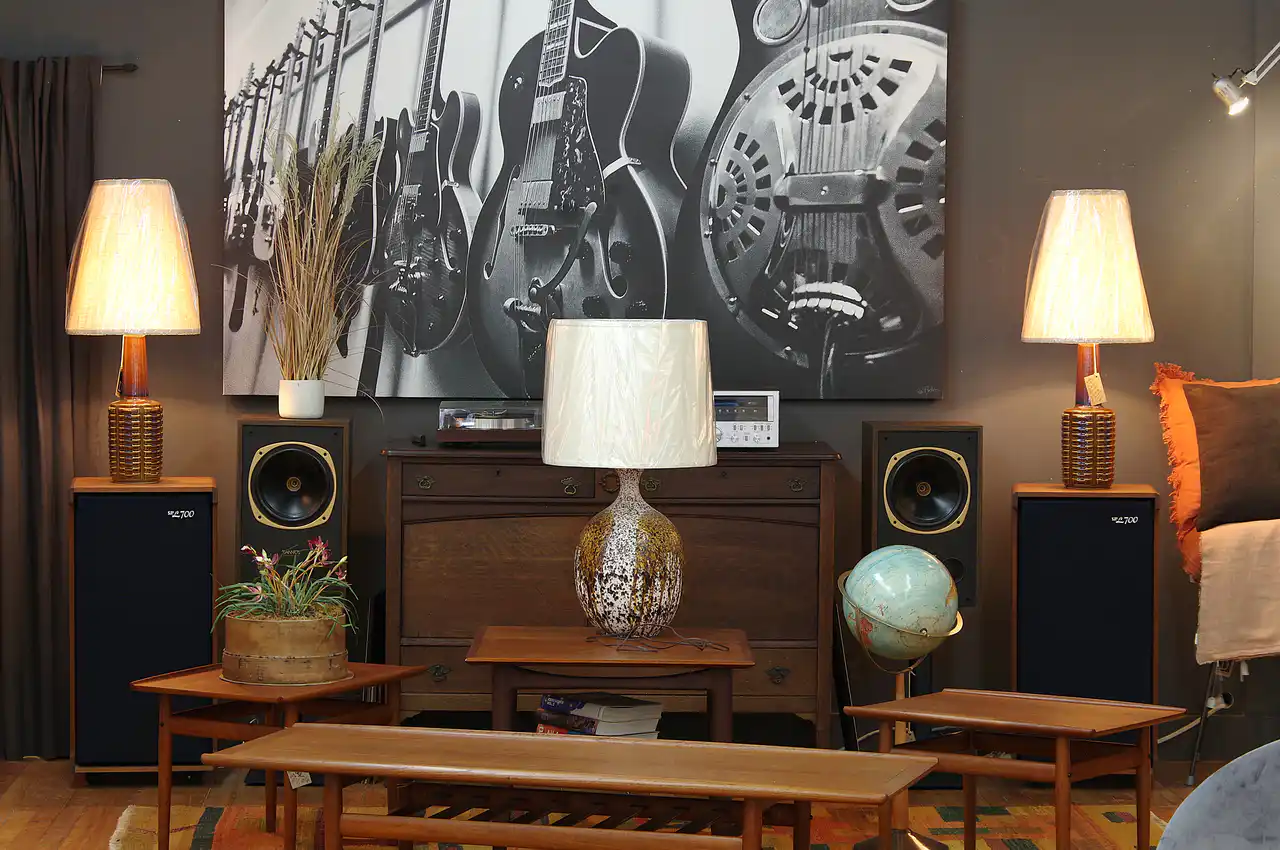
It’s a fair question to ask, “What exactly is Dwellissimo?”
Google provides the prosaic and unassuming description, “home goods store.” From the fusion of English with Italian one might perhaps anticipate something more, something with flair and style, and maybe even a suspicion of exuberance.
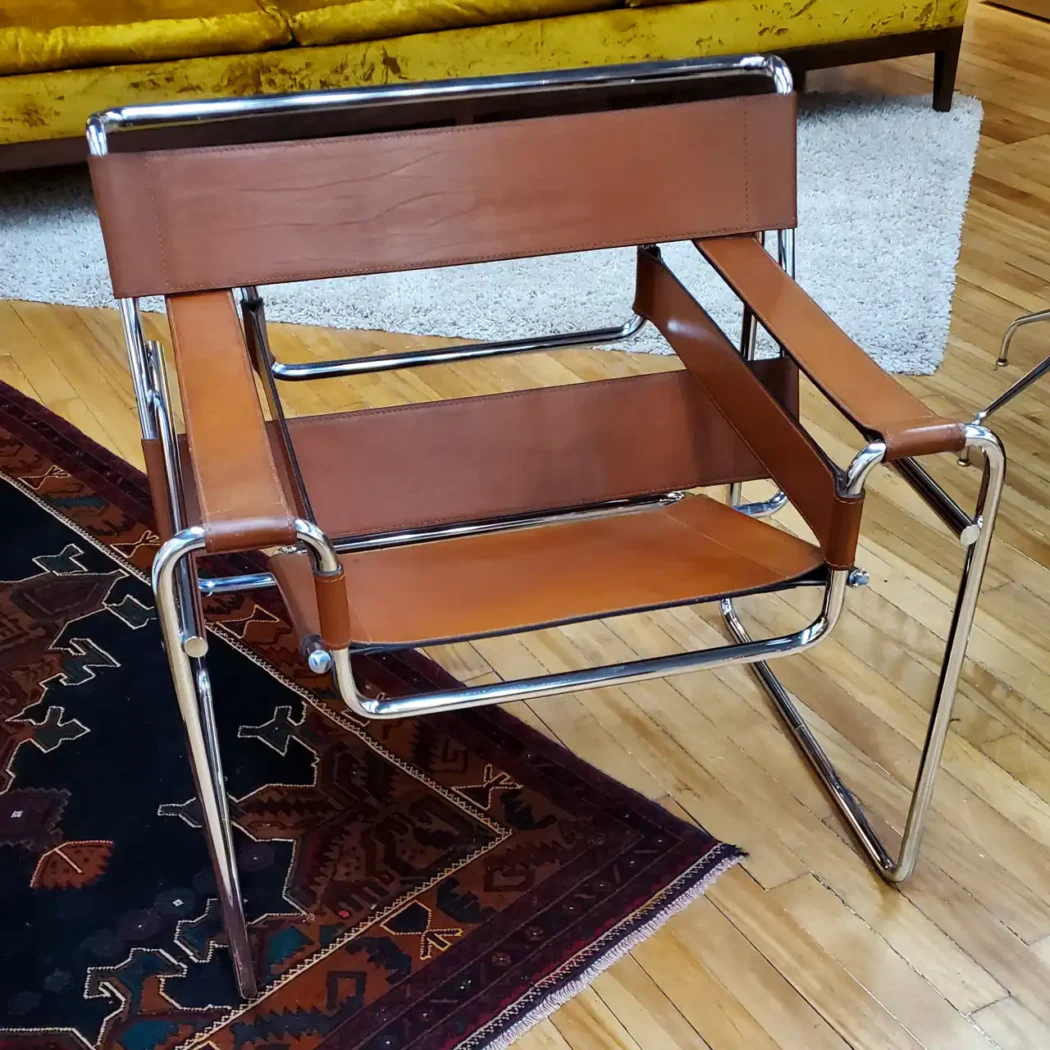
And in an understated way, one would be right. There is nothing mundane about Dwellissimo, but in its quiet way, it is flying the flag for a design aesthetic that flourished from the 1950s through to the ‘70s known as Danish Mid Century Modern.
Dwellissimo, a family business with a history spanning 25 years, is run by the brother and sister team of Rob Snow and Carrol Levin. It evolved from Port Hope Lampworks and now occupies a store on the sunny side of Walton Street. (Those with long memories may remember a period on the dark side.)

Rob is front of house and has always had a passion for design, whilst Carrol is the creator of a large and impressive selection of custom-made pillows. If you want to debate whether a chair can be an art object or discuss the acoustic qualities of a vintage audio system, this is the place.
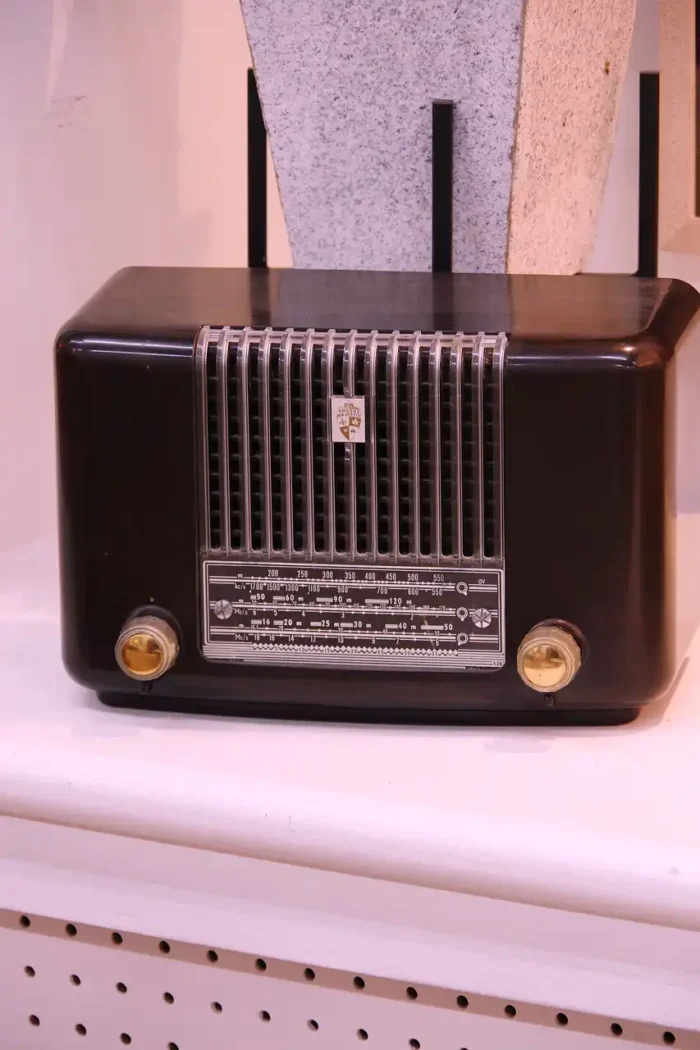
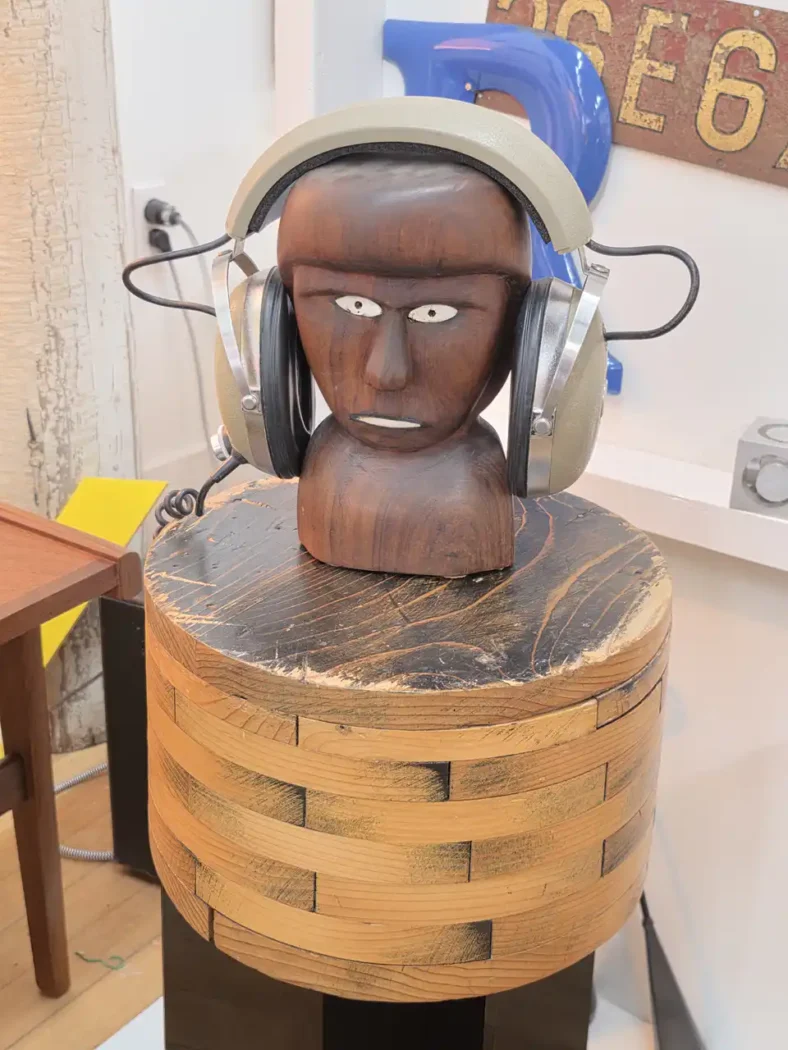
Dwellissimo is part curiosity shop, part design studio, part art gallery, part antique store, part furniture retailer, part vintage hi-fi store and occasional live music venue, part repository of repurposed post–industrial objects, part museum and definitely more than the sum of its many parts. It’s a collection of collectibles where each and every object is distinctly one of a kind. Oh, yes, and let’s not forget vinyl which is enjoying a resurgence. Rob has a weakness for vintage hi-fi equipment, restoring and modifying mid-century stereo consoles and making them sound and look better than new. I was treated to a demonstration of an old valve powered radiogram from the ‘60s and was very impressed with the clarity of the sound and the generous bass, emanating from this stylish piece of furniture.
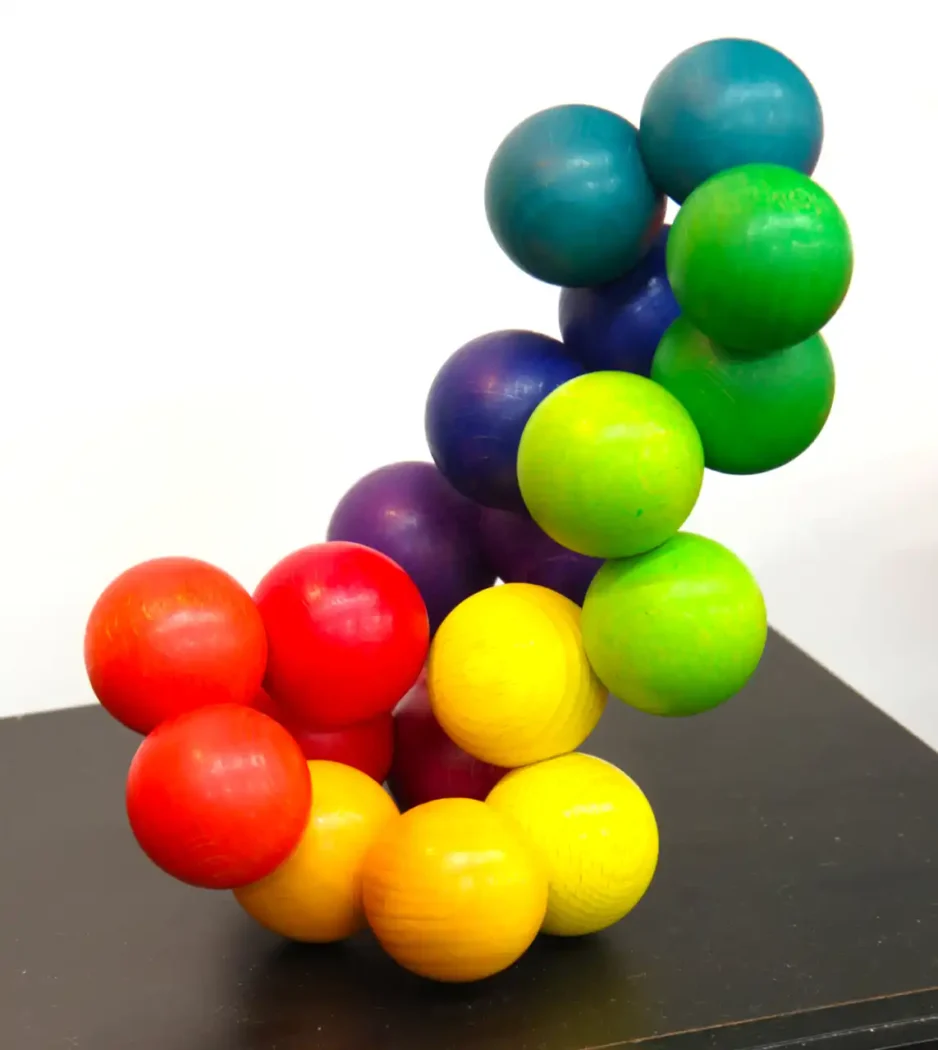
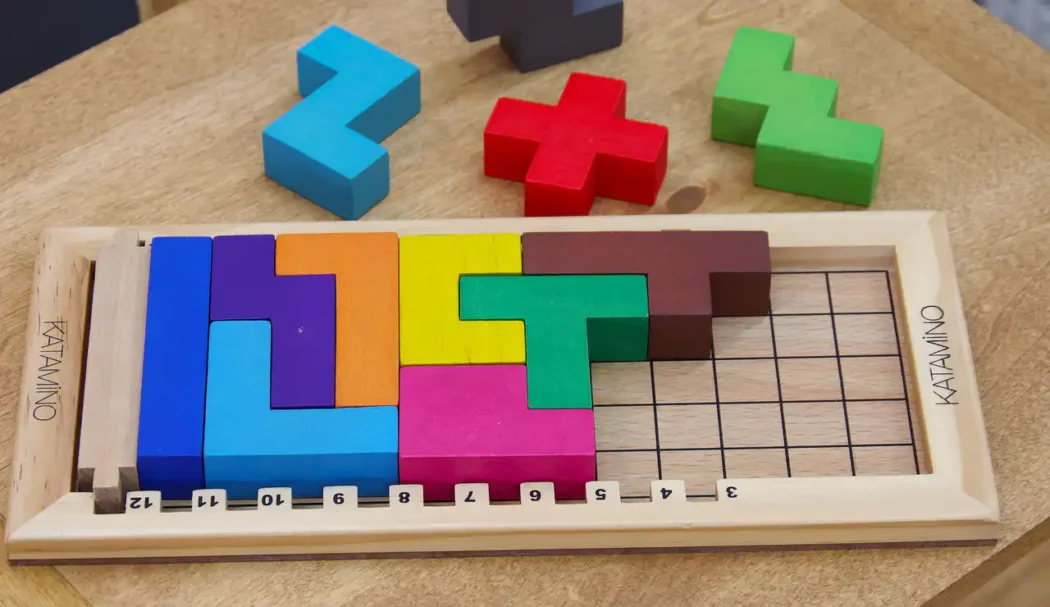
Originally, Dwellissimo was conceived as a retail experience that both genders could appreciate equally. At the time, Rob recognized that most of the shops in town were exclusively ladies stores. The guys would stand outside on the sidewalk while the ladies shopped. He felt Dwellissimo should be a place for everyone, kids and dogs included. Dwellissimo keeps a variety of challenging tactile puzzles and games on hand to occupy the little ones while the adults peruse. Dwellissimo continues its role as a casual drop in centre for creative types who are plentiful in Port Hope. You just never know who you might meet, but you can guarantee it will be someone interesting and with a story worth sharing.
In 1933, the German government unwittingly did a favour to those of us who are interested in design: they closed down the radical free-thinking art school known as the Bauhaus, founded in 1919 by architect Walter Gropius. The political climate in Germany became so hostile to anything but officially sanctioned artistic activity, that most of the staff fled into exile in Europe or America, taking their ideas with them. Among those were names we know today, Marcel Breuer, Wassily Kandinsky, Paul Klee, Lyonel Feininger, Laszlo Moholy-Nagy, Joseph and Anni Albers, Miles van der Rohe, and Le Corbusier.
Ideas represented by the philosophy of the Bauhaus School proliferated and soon found particularly fertile ground in Scandinavia where they were eagerly adapted to local conditions and materials. Here the concept of form follows function originated. Concepts of art for all and the democratization of good design developed.
The Bauhaus popularized the use of concrete, steel, chrome and glass, what we now identify as Thirty’s International Modern. In Scandinavia there was a movement toward wood in particular, leather, wool and ceramics. New ways of working in wood were devised. Bending and laminating plywood sheets was elevated to an art form by Alvar Aalto who produced chairs that were light weight, mass producible, combining style with function, and yet remained economic to buy. We tend to forget when we look back at older objects that they may represent the cutting edge of technology for their time. The Egg Chair created by architect Arne Jacobsen used a revolutionary molded polyurethane foam to create its organic shape and is still in production almost 70 years later.
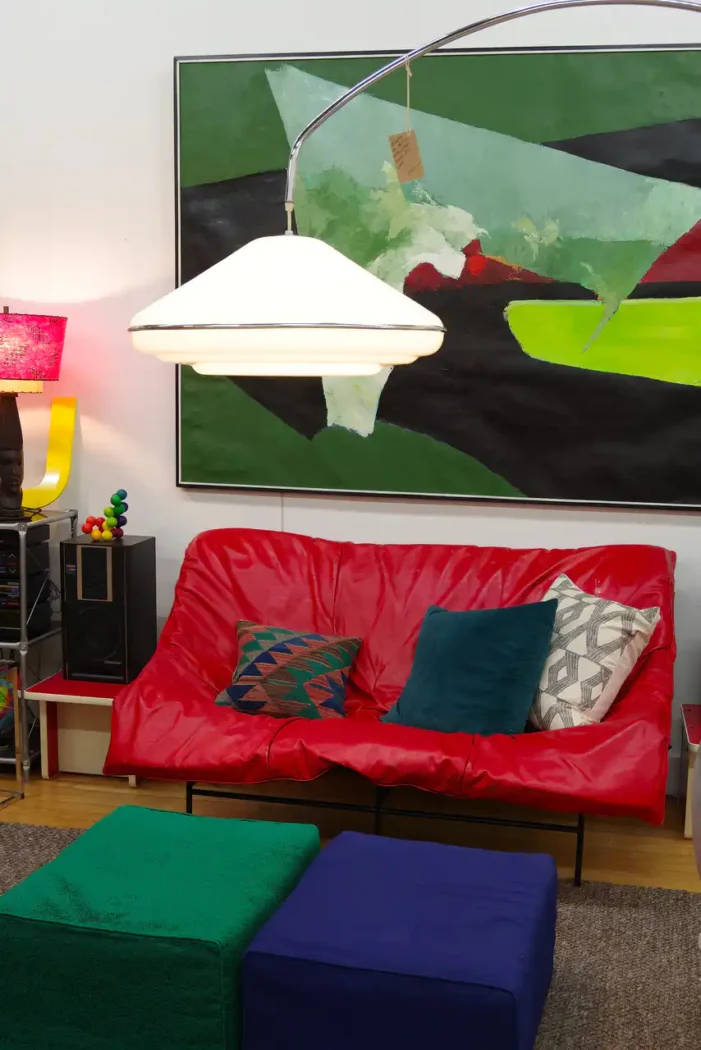
What has become known as Danish Mid-Century Modern made its way to Canada during the post war boom of the ‘50s and ‘60s. Products combining craft skills and industrialized techniques on a human scale with clean lines, minimal clutter or ornamentation found a ready market in the new open plan suburban homes. The defining philosophy was one of simplicity, of form following function: the precursor of less is more.
In marketing, there is a concept called the product life cycle, where an object, when new and exciting, is perceived to be extremely desirable and people rush to purchase whatever it may be. It is the thing to have … for example a new iPhone has status and is seen as a cool thing to own, a belief no doubt fostered by a good deal of marketing spend! Following mass adoption, the object becomes ubiquitous and slowly loses status, until it is perceived as valueless and destined for the garbage can. Then, slowly over the years, the remaining examples of our item begin to gain in status as they become rarer and their design cues are seen as attractive, with nostalgia no doubt playing a role.
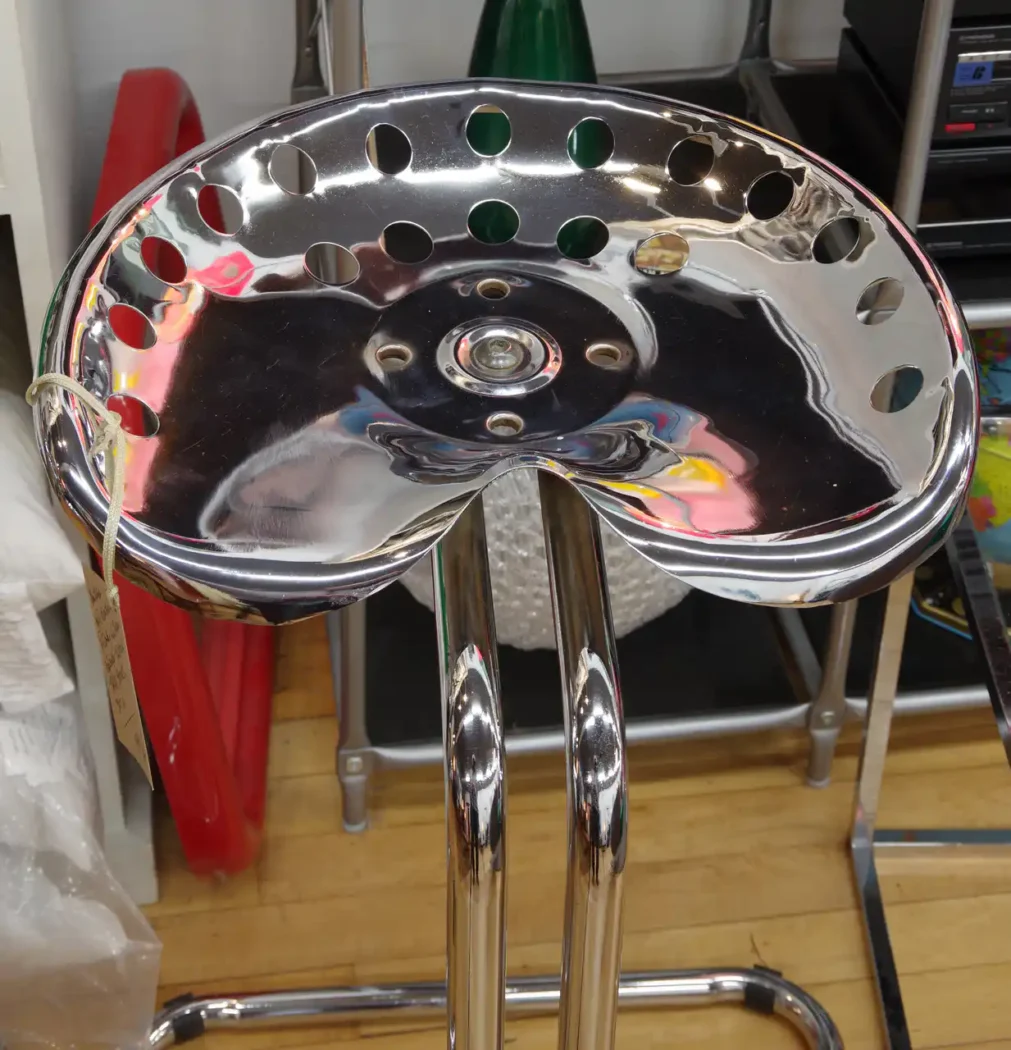
At some point, the vicissitudes of life bestow the word ‘timeless’ on a design, and then of course ‘iconic’ is soon to follow. If you have an old cassette player, you now own a relic of the ‘70s or ‘80s which is well on the way to becoming a style icon and may even appreciate in value as interest in cassette players and tapes undergoes a bit of a revival.
This is the nature of what Rob brings to market: items that are on a scale between rare or unique and definitely appreciating in design capital. Objects that Rob sources have survived the slings and arrows of outrageous fortune and are ascending in status to be desirable design icons. This is what makes Dwellissimo so interesting: you simply will not find anything like this elsewhere. Dwellissimo is the kind of place where you will discover items that you could never have imagined you wanted.
If you are looking to add elegance and pizzazz to your interior, and if you can see a piece of the past in your future, Dwellissimo is a good place to start.