
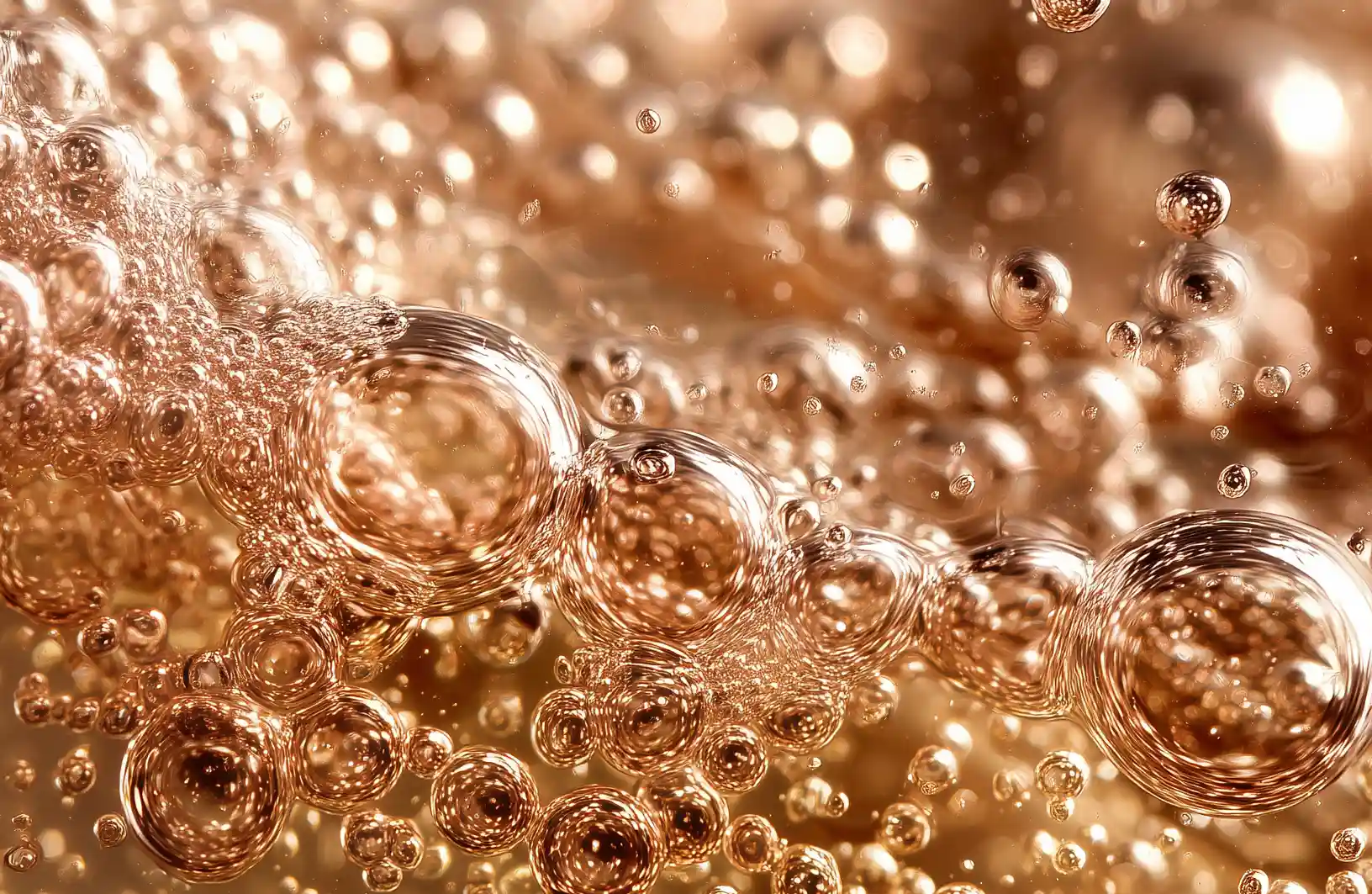
For the 2024 winter issue of Grapevine magazine I wrote an article on Champagne which you can find on the website. I love good Champagne: it is a go-to style of wine for me especially when celebrations are in order.
Champagne sales represent about one bottle in twelve of worldwide wine expenditure. That is an interesting ratio. Many sparkling wines attest to being made using the ‘Traditional Method.’ This is a European Union descriptor which adds legitimacy to wines from old and new worlds.
As Champagne generally commands premium price points, I want to offer Grapevine readers some inexpensive sparkling wine recommendations for the approaching holidays. If you are a fan of French wines, look for Crémant on the bottle: this is their more economical alternative to Champagne. Simply put, the French use this term to define sparkling wines made outside the Champagne region. For those enjoying Italian flair it is Prosecco. In this category the Spanish offer Cava. For the new world look for sparkling wines identified by the word Brut.
Many wine writers will argue, myself included, that wines are grown in their respective terroir. Some may say sparkling wines are made in the cellar because of the way they are made. I suggest the best sparkling wines are made from excellent base wines, which are often high in acidity.

The Traditional Method is a process that varies widely among wine makers. To the selected base wine is added yeast and sugar. It is then sealed and left to ferment, creating bubbles of carbon dioxide and hopefully glorious flavours. Also known as secondary fermentation, the bottle is opened, the sediment removed and a little extra wine is added to the bottle before it reaches store shelves.
You may see the term Blanc de Blanc on a label. That usually means the wine is made from Chardonnay grapes. I think that is why I favour Crémant from Bourgogne (Burgundy). You might also see “Nature” on various labels. This means the source wine is also used for the second fermentation. Otherwise, a liqueur may be used. There are regional differences in expression and varietals used between Alsace, Bourgogne, Bordeaux, Loire, Limoux and so on. Broader differences can be seen when comparing Crémant to Cava or Prosecco or new world sparkling wines.
At the time of writing this article the LCBO was carrying a Crémant from the Languedoc, called Crémant De Limoux La Baume Brut (#42037) for $18.95. They were also carrying a Louis Bouillot Perle D’Aurure Brut Crémant De Bourgogne (Burgundy) Rosé (#48793) for $25.95. I have had many wines by Louis Bouillot and they are always a grand example of Crémant, at significantly less cost.
Various Crémant wines are available in the vintages section all year long. Rosé wines in this category may be a little more expensive because it is common practise to make fewer cases.
The LCBO also carries a line of sparkling Ontario grown wines. Excellent wines from Niagara are made by Mason, Malivoire (Bisous), and Hidden Bench and Henry of Pelham offers Cuvée Catherine Rosé (#217505) for $29.95. From Nova Scotia I would consider the Benjamin Bridge NOVA 7 (#256289) for $24.95. At 7% alcohol, this is more of a “spritz” in my view. When the juice reaches 7% alcohol, the fermentation process is stopped resulting in some trapped carbon dioxide and thus the term “spritz.”
Again these prices are much lower than those of Champagne. Some excellent examples from Prince Edward County come from Lighthall (Culmination) and Closson Chase Charmat Method. If like me, you want to support Made in Canada, you will not be disappointed by products from these wineries.
The last five wines mentioned need to be sourced from the wineries directly. Bisous is my all-time favourite and is offered in a number of styles including a rosé as well as a Blanc de Blanc that has been resting on lees for five years (Black label).
Whether you bring in the New Year with a sparkling wine or not, have an awesome winter holiday. I love bubbles all year long and happily share my life with a woman who requests bubbles regularly.